
Car History Check
Check any Europe-registered vehicle instantly. Decode the VIN (Vehicle Identification Number), verify odometer history, safety recalls, theft status, and accident records — covering vehicles with WMI codes S–Z (the ISO 3780 range every European manufacturer uses).
EUR 8.90 full report
14-day refund
60-second delivery
Free decode preview shown automatically when you enter the VIN.
Quick answer
To check a Europe vehicle, enter its 17-character VIN (VIN (Vehicle Identification Number)) at Carlytics. The free decode instantly shows make, model, year and engine. The full report — EUR 8.90 — adds cross-border mileage history, safety recalls, theft records and accident data, delivered in about 60 seconds with a 14-day refund.
What a full car history check shows, and where it comes from
A car history check matches the car's VIN against records made after it left the factory. The VIN itself only tells you the maker, the model family, a year code and the plant. The history lives in records: odometer readings, registrations, inspections, theft reports and recall notices.
No single database holds all of these for every European country. Some countries publish per-car history; others publish almost nothing. A useful check searches several sources and tells you which ones had a record for this car, and which had none.
Encoded in the VIN
- Manufacturer and country
- Model family and body
- Model-year code
- Assembly plant
- Serial number
Only in records
- Odometer readings
- Registration countries
- Inspection results
- Theft reports
- Recall notices
Why Check a VIN for Europe Vehicles?
A car history check is the single most important step before buying a used vehicle. Carlytics searches 1200+ databases across 47 countries to reveal what sellers won't tell you — accident damage, mileage rollback, theft records, and outstanding safety recalls.
Every year, millions of used cars are sold with hidden histories. An estimated 30% of cross-border used car purchases in Europe involve some form of fraud — from odometer tampering to undisclosed accident damage.
A comprehensive car history check at EUR 8.90 can save you thousands. The average financial loss from buying a car with hidden damage is EUR 2,000–5,000. For EUR 8.90, Carlytics checks the car against every available database.
The free Carlytics car history check includes full vehicle specifications, safety recall status, and basic vehicle identification. The paid report adds mileage verification, stolen vehicle database check, accident records, and market value comparison.
Common Scams When Buying from Europe
Odometer fraud (mileage clocking): The most common used car scam. The displayed mileage is electronically reduced to increase the selling price. Carlytics cross-references mileage from 52M+ Czech inspections, 830M+ UK MOT records, and other European registries.
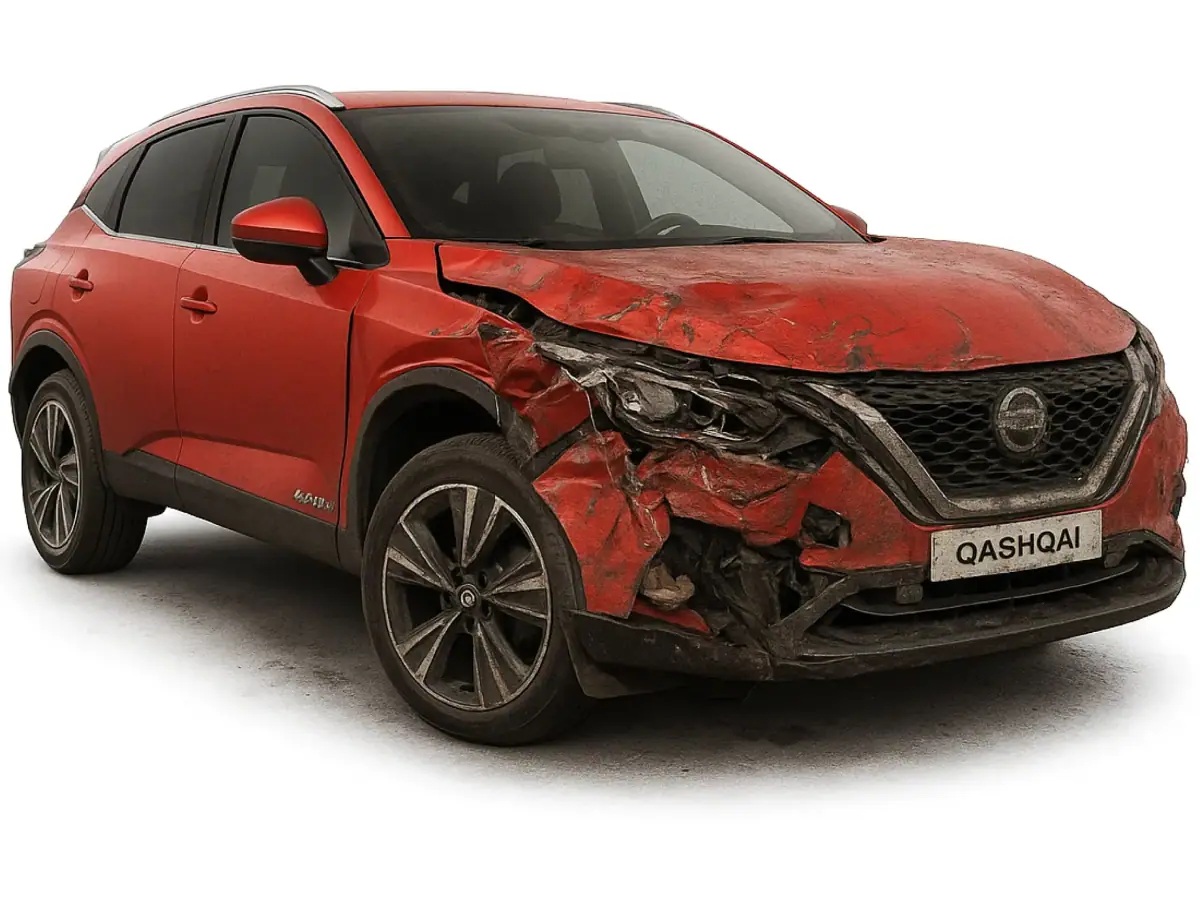
Hidden accident damage: Vehicles involved in serious crashes are professionally repaired and sold without disclosure. Insurance write-off records, structural damage reports, and airbag deployment data help identify these vehicles.
Stolen vehicles: An estimated 1.2 million vehicles are stolen annually in Europe. Buying a stolen car means losing both the vehicle and your money. Carlytics checks multiple stolen vehicle databases.
What Data Sources We Check for Europe
When you run a VIN check for a Europe-registered vehicle, Carlytics queries multiple authoritative databases:
How a Europe VIN Is Structured
Every VIN — whether the vehicle was built in Europe or imported — follows the ISO 3779 standard:
| Positions | Section | What It Tells You |
|---|---|---|
| 1-3 | WMI | World Manufacturer Identifier — identifies the maker and country of origin. Europe-made vehicles use S–Z (the ISO 3780 range every European manufacturer uses). |
| 4-8 | VDS | Vehicle Descriptor Section — encodes model, body style, engine type, and restraint systems. |
| 9 | Check digit | Check digit — mandated only on North-American-market VINs (49 CFR 565); ISO 3779 requires none. |
| 10 | Model year | Encoded production year (e.g., R = 2024, S = 2025). |
| 11 | Plant code | Identifies the assembly plant where the vehicle was built. |
| 12-17 | VIS | Vehicle Indicator Section — unique serial number for the specific vehicle. |
VIN Check Europe — FAQ
Common questions about checking vehicle history in Europe
What does a car history check show?
How much does a car history check cost?
Is a free car history check enough?
Which countries are covered?
How do I run a free car history check online?
What is the difference between a car history check and a vehicle history report?
Can I do a used car history check before I view the car in person?
What red flags should a car history check uncover?
Can I run a car history check with just the number plate?
Which official car history services are free?
How far back does a car's history go?
Can a history check prove a car was never in an accident?
What does it mean if the mileage history goes down?
What a car history check actually reveals
A good history check isn't one number — it's a stack of independent records pulled from registries, inspections and recall systems across Europe. Here's what each one tells you and why it matters before you hand over any money.
Mileage & odometer history
Every recorded reading, in date order, from inspection and registry records across multiple countries. If a later reading is lower than an earlier one, the clock has been wound back.
Accident & write-off records
Insurance total-loss markers, structural-damage flags and salvage history. A professionally repaired crash car looks fine in the photos — the paper trail is where it shows.
Theft & stolen status
The VIN cross-referenced against publicly available European theft records, so you don't unknowingly buy a car that police can seize.
Import / export & registration history
Where the car has been registered and whether it crossed a border. Imports can hide write-offs that happened under a different country's records.
Open safety recalls
Manufacturer and EU Safety Gate recalls that were never carried out — a free fix the seller may not even know is outstanding.
Market value & specifications
Full decoded specs plus a fair price range, so you can tell instantly whether the asking price is reasonable or a red flag.
Free car history check vs the full report
The free check
Enter a VIN and you instantly get the make, model, year, engine, body type and any open safety recalls — at no cost, no account. That's enough to confirm a listing matches the actual car and spot a recall the seller never mentioned.
The full report (EUR 8.90)
Adds the checks that actually catch fraud: mileage verification across national registries, the stolen-vehicle lookup, accident and write-off records, import history and a market-value range. One-off payment, no subscription.
Run a specific check
A full car history check rolls all of these into one report. You can also dig into any single check:
- Full vehicle history report
- VIN check
- Mileage rollback check
- Stolen vehicle check
- Accident history check
- Imported / exported check
Buying a car registered or imported from the Netherlands? Use the Netherlands VIN check.
| Record | Typically comes from | What it can show you |
|---|---|---|
| Odometer readings | Inspections, dealers and sale adverts | Whether the mileage ever went down between two dated readings |
| Registration trail | National vehicle registers | Which countries the car was registered in, and roughly when |
| Technical inspections | Roadworthiness tests, where published | Test dates and the mileage recorded at each test |
| Theft status | Stolen-vehicle registers | Whether this VIN is reported stolen |
| Recall notices | Manufacturers and EU authorities | Recalls announced for the model and its years |
| Build data | The VIN and factory records | Year, plant, and engine details where the records include them |
Official services and further reading
Where the car is registered decides which official service can help. These are free public sources you can check yourself.
- European Parliament report on odometer manipulation (2018) — why cross-border mileage fraud is common and what the EU proposed.
- Car-Pass (Belgium) — official odometer history for cars registered in Belgium.
- HistoVec (France) — free official history for cars registered in France.
- Historia Pojazdu (Poland) — free official history for cars registered in Poland.
- RDW Kentekencheck (Netherlands) — free official vehicle data for Dutch-registered cars.
- Vehicle identification number (Wikipedia) — how the 17 characters are defined by ISO 3779.