1 in 3 used cars has a tampered odometer.
Up to 30% of used cars in Europe have rolled-back mileage. Run the VIN and check the real history before you pay.
52M+ Inspection records
47+ European countries
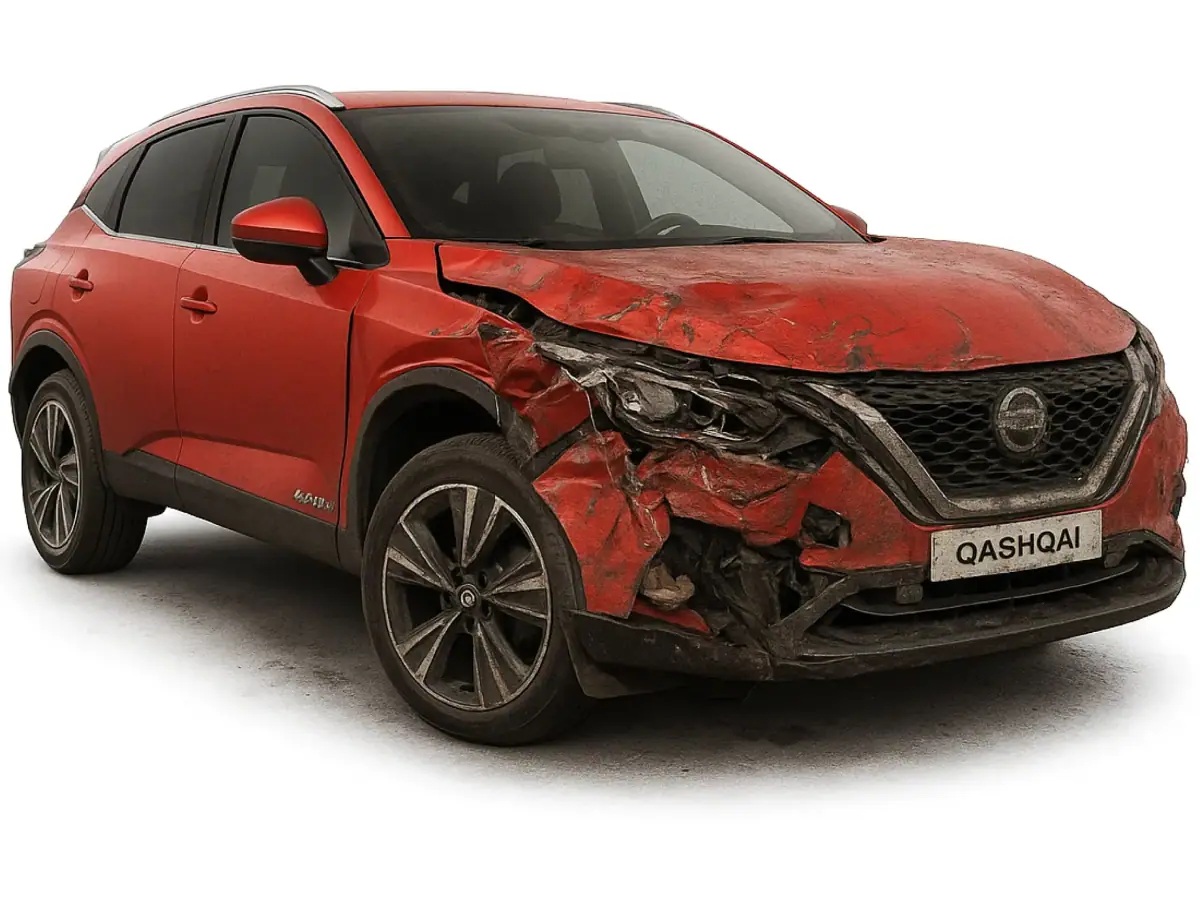
Carlytics detects odometer fraud by cross-referencing VINs against 52 million+ European vehicle inspection records. Each check scans Czech ISTP, Dutch RDW, and other national registries to reveal mileage discrepancies that sellers try to hide — with full reports from EUR 8.90.
What we check for when preparing a report
Carlytics is the largest online database of used vehicle records. It contains more than a billion data points from all over the world.
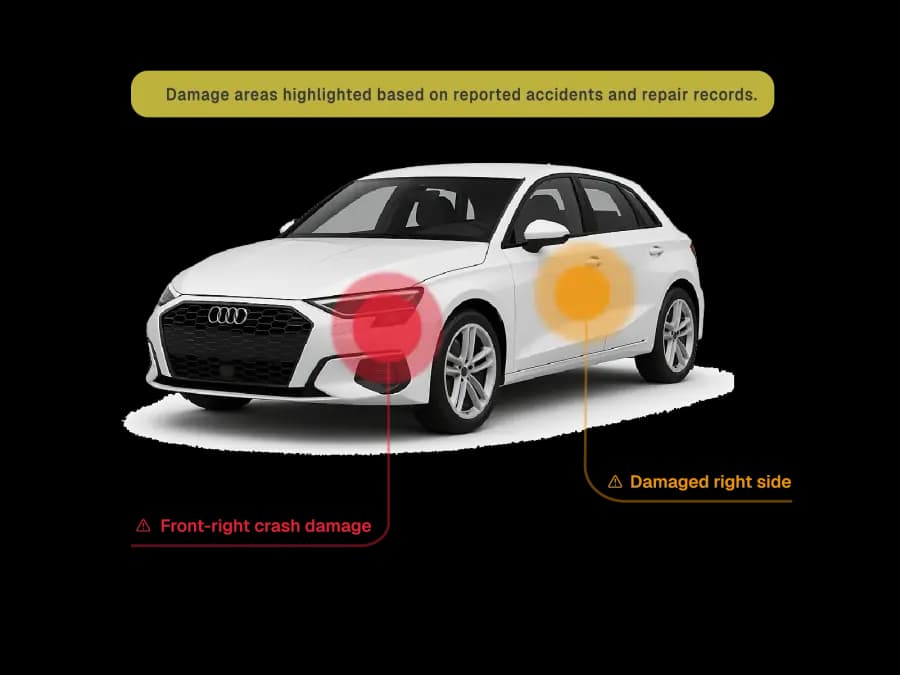
Damage
We check if the car has been in any accidents or had serious repairs. Damage can lower the car's value and cause safety problems. Our report helps you avoid cars with hidden damage that sellers might not tell you about.
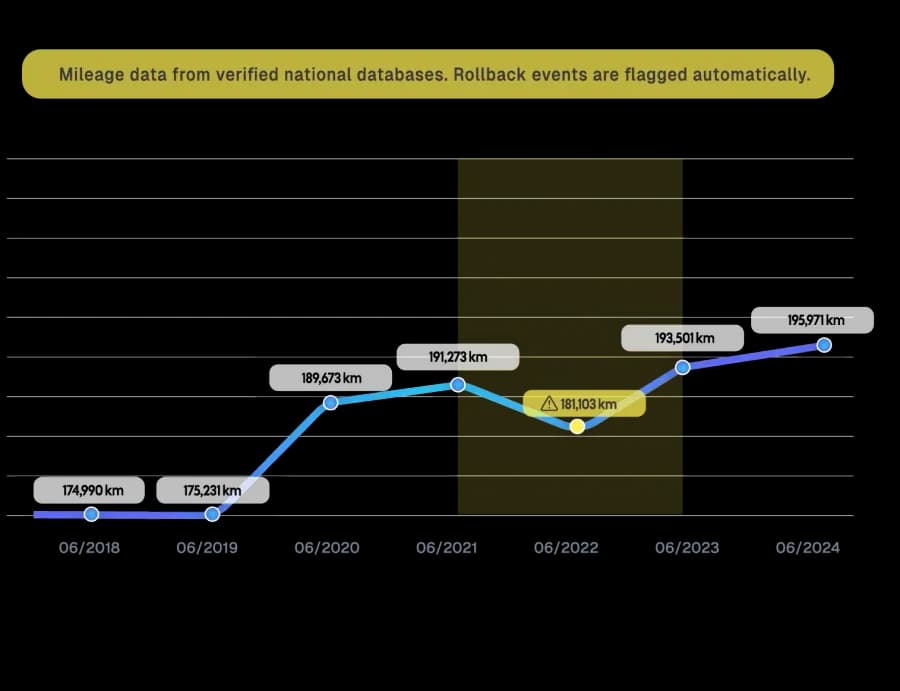
Mileage rollbacks
We look for signs that the mileage might have been changed. Some sellers lower the mileage to make the car look newer. We check mileage records from different databases to make sure the numbers are honest.
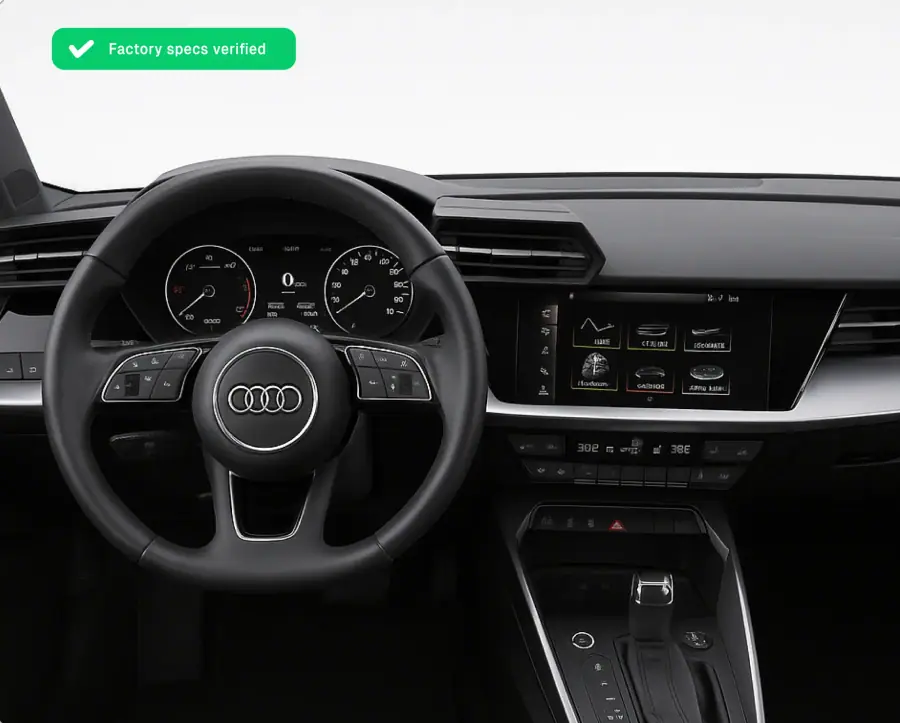
Specs & equipment
We list the car's original features and equipment. This helps you see if anything is missing or changed. You'll know exactly what the car should have when it left the factory.
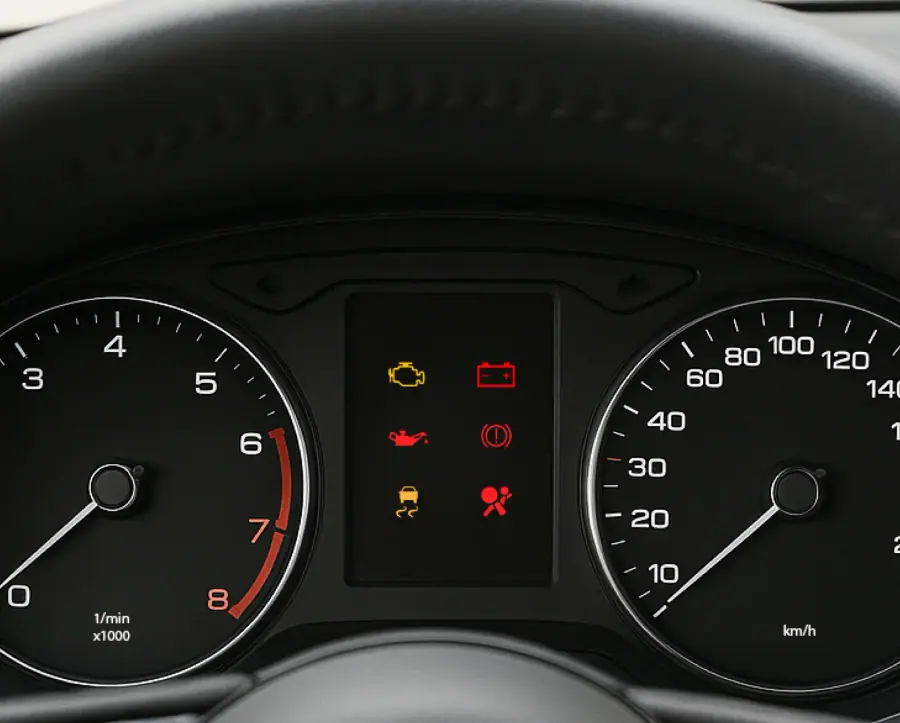
Safety
Manufacturers typically issue safety recalls to fix harmful defects. Make sure your car doesn't have any before taking it on the road and also learn its general safety rating.

Natural disaster
Check if the vehicle has been damaged in floods, hurricanes, or other natural disasters.
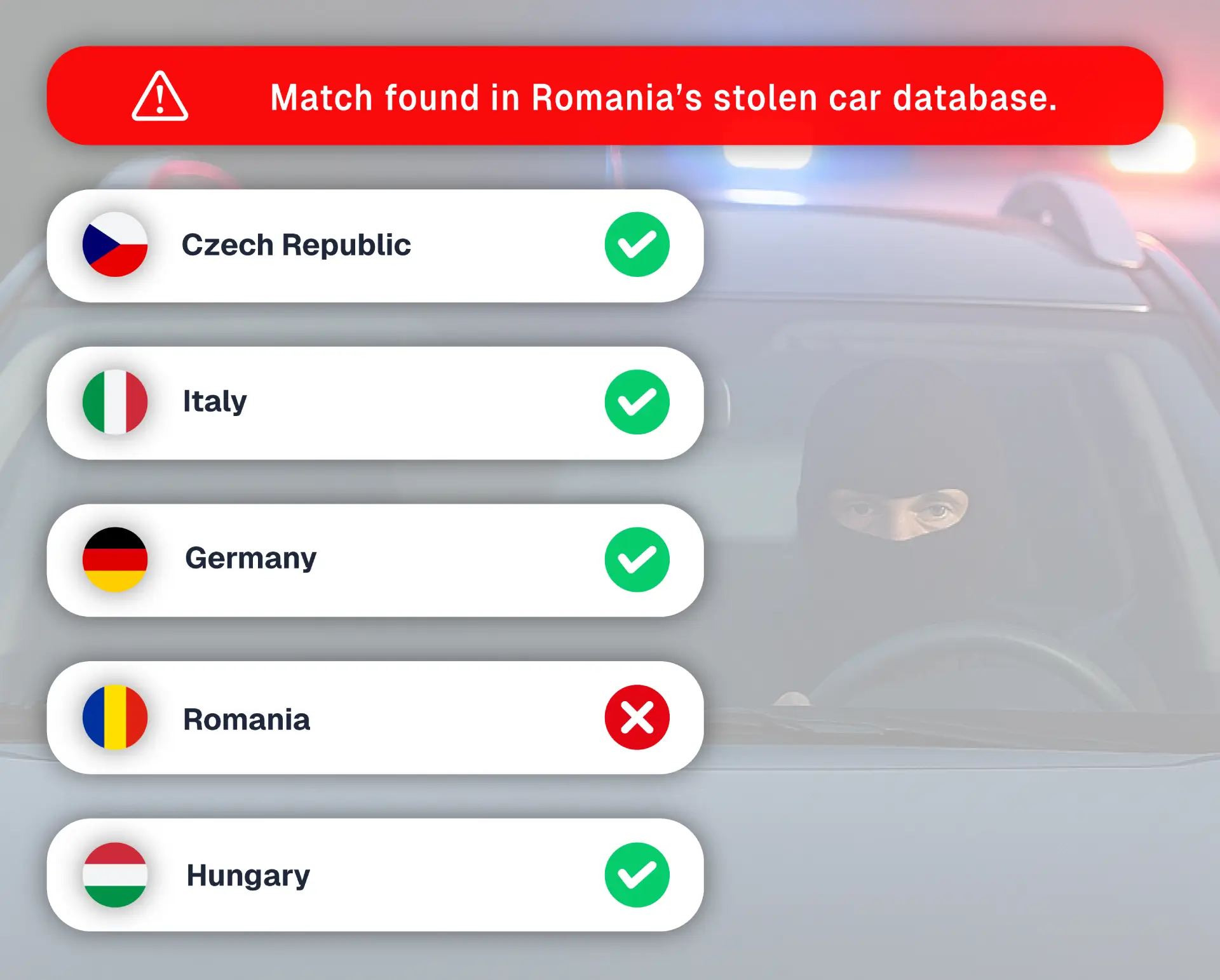
Stolen car database
We check police and insurance records to see if the car has been reported stolen. Buying a stolen car can lead to big legal and financial problems. Our report gives you peace of mind.
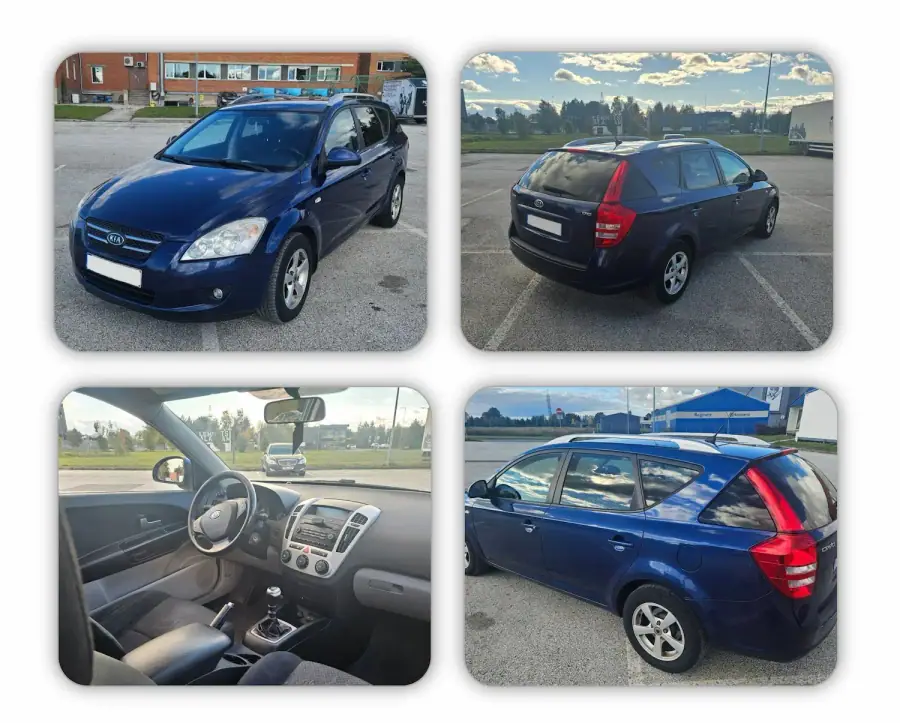
Photos
If available, we include old photos or auction pictures of the car. These photos can show past damage, repairs, or changes that you might not notice in person.
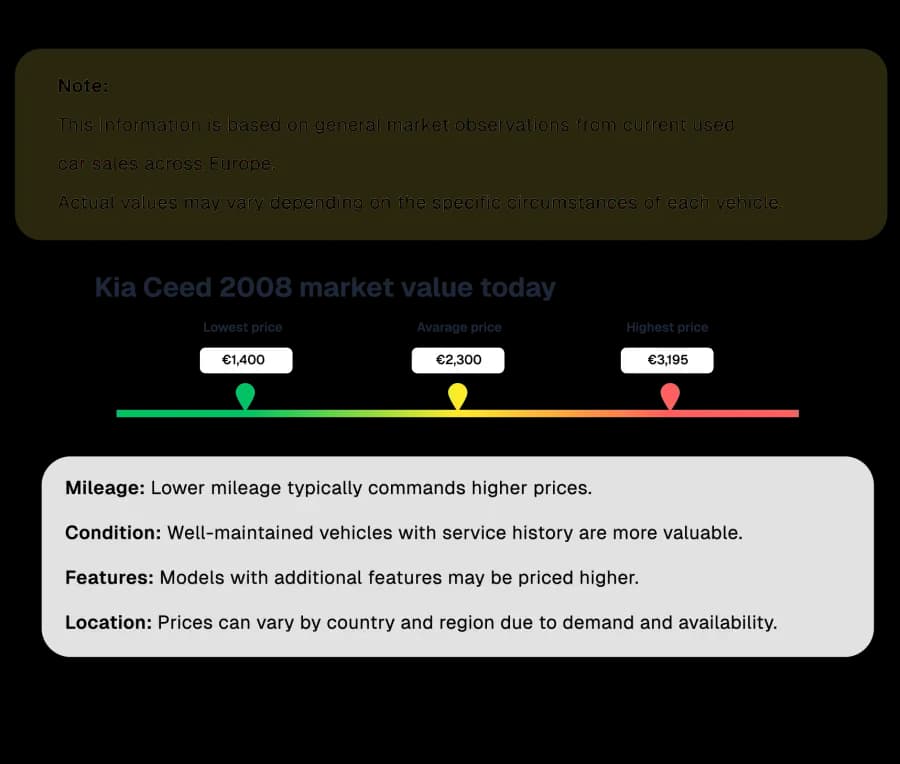
Market value
We compare prices from many sources to show the car's fair market value. This helps you know if the price is good or too high, so you can make a smart deal.
Trusted in 47+ countries worldwide
Carlytics aggregates vehicle data from 47+ European countries, pulling from national registries like Finnish Traficom (5M vehicles), Dutch RDW, Czech ISTP, and Danish DMR. Combined with NHTSA, EU Safety Gate recalls, and 348,000+ real listings, the database covers 900M+ vehicles.
Access data from national registries,
insurance databases, law enforcement and more.

How It Works
Carlytics checks any VIN in under 10 seconds by cross-referencing 900M+ records from 47+ European countries. Enter a 17-character VIN, and the system searches NHTSA, EU Safety Gate, national registries, and 348,000+ real listings to build a complete vehicle history report for EUR 8.90.
Get comprehensive vehicle information in just a few simple steps. Our process is designed to be quick, easy, and informative.
Enter Vehicle Details
Enter your license plate or VIN number to start the check process.
Instant Processing
Our system quickly searches through billions of records to find your vehicle.
Comprehensive Report
Receive a detailed report with complete vehicle history and important alerts.
Make Informed Decisions
Use the insights to make confident decisions about your vehicle purchase or sale.
Why Run a VIN Check Before Buying a Used Car?
An estimated 30-50% of used cars sold cross-border in Europe have tampered mileage. Carlytics catches odometer rollbacks, undisclosed accident damage, stolen-vehicle flags, and open safety recalls by scanning 900M+ records across 47+ countries -- all from a single 17-character VIN, starting free.
Don't risk thousands on a used car with hidden problems. A free VIN check takes seconds and can save you from costly surprises.
Detect Odometer Fraud
An estimated 30-50% of used cars in Europe have tampered mileage. A VIN history check reveals odometer rollback and mileage discrepancies that sellers try to hide.
Uncover Hidden Accident Damage
Structural damage from past accidents may not be visible during a physical inspection. A vehicle history report shows collision records the seller may not disclose.
Verify Stolen Vehicle Status
Over 600,000 vehicles are stolen in the EU each year, many resold across borders. Our stolen car database check confirms the vehicle is legally clear before you buy.
Check Cross-Border Import History
Vehicles imported from abroad may have different specs, undisclosed damage, or missing service records. Trace the full registration and import history with a VIN check.
Ready to check your vehicle?
Enter the VIN number below to get a free instant report.
Sample Vehicle Report
Every Carlytics report covers 24 sections including decoded specs, mileage history, safety recalls, theft status, market value from 348,000+ listings, and cross-border import records. The full report costs EUR 8.90 and is available instantly as an interactive page and downloadable PDF.
Here's an example of the comprehensive vehicle report you'll receive. Our reports provide detailed information to help you make informed decisions about any vehicle.
Toyota Corolla (2019)
Silver • 1.8L • Petrol • Automatic
Vehicle Information
Technical Inspection Status
Vehicle Summary
Frequently Asked Questions
How common is odometer fraud in Europe?
How does Carlytics detect mileage rollback?
Can a digital odometer be rolled back?
What countries have mandatory mileage recording?
How much does an odometer fraud check cost?
What should I do if I suspect odometer fraud?
Typical mileage by age: official inspection data
How far do cars really drive? These are the odometer readings recorded at regular periodic roadworthiness inspections of passenger cars in Central Europe between October 2023 and July 2026. Compare an advertised figure with them before you trust it.
| Age (years) | Median odometer | Middle half of cars | Median per year |
|---|---|---|---|
| 4 | 58,000 km | 37,000 – 88,000 km | 14,500 km |
| 6 | 83,000 km | 53,000 – 127,000 km | 14,000 km |
| 8 | 120,000 km | 78,000 – 176,000 km | 15,000 km |
| 10 | 147,000 km | 98,000 – 209,000 km | 14,500 km |
| 12 | 167,000 km | 109,000 – 232,000 km | 14,000 km |
| 14 | 180,000 km | 120,000 – 248,000 km | 13,000 km |
| 16 | 187,000 km | 126,000 – 253,000 km | 11,500 km |
| 18 | 206,000 km | 145,000 – 274,000 km | 11,500 km |
| 20 | 218,000 km | 155,000 – 288,000 km | 11,000 km |
Kilometres per year for the models buyers check most
The models checked most on Carlytics in the last 90 days, with the average distance each covers per year between official inspections.
| Model | Average per year | Middle half |
|---|---|---|
| Volkswagen Golf | 13,000 km | 6,500 – 15,500 km |
| Mercedes-Benz E-Class | 18,500 km | 9,000 – 22,500 km |
| Mercedes-Benz C-Class | 15,000 km | 7,500 – 18,500 km |
| BMW 3 Series | 13,500 km | 7,500 – 16,500 km |
| Volkswagen Passat | 17,000 km | 9,500 – 20,500 km |
| Land Rover Range Rover | 17,000 km | 9,500 – 22,000 km |
| Toyota Corolla | 11,500 km | 5,500 – 13,000 km |
| BMW 5 Series | 17,500 km | 9,500 – 21,500 km |
Worked example: is this mileage plausible?
- Compare with the age. An 8-year-old Volkswagen Golf is advertised with 55,000 km. At 8 years the middle half of cars show 78,000 – 176,000 km (median 120,000 km). The advert is below that range: not proof of fraud, but a reason to ask questions.
- Compare with the model. A Volkswagen Golf covers 13,000 km a year on average, so 8 years suggest about 104,000 km. The advert implies only 7,000 km a year.
- Let the history decide. Suppose the recorded readings were 52,000 km at 4 years and 78,000 km at 6 years, and the advert now says 55,000 km. A reading lower than an earlier one is the classic sign of a rolled-back odometer. A low reading that rises steadily is simply a car that was driven little.
Illustrative example built from the figures above, not a specific car.
Source: official periodic roadworthiness inspection records of passenger cars in Central Europe (odometer by age: inspections October 2023 – July 2026; per-model figures: April 2026). Model ranking: free checks on Carlytics in the 90 days to 23 September 2026. Figures are rounded; every figure is based on at least 100 cars.